|
The First
“China Spatial Data
Intelligence Strategy Workshop”
was Successfully Organized by the International Research
Center for Sustainable Development Big Data
On January 15, 2022, the "China Spatial Data Intelligence
Strategy Workshop", hosted by ACM SIGSPATIAL China Chapter,
organized by the International Research Center for Sustainable
Development Big Data and co-organized by Southern University of
Science and Technology, was successfully held in Beijing in an
offline and online manner.
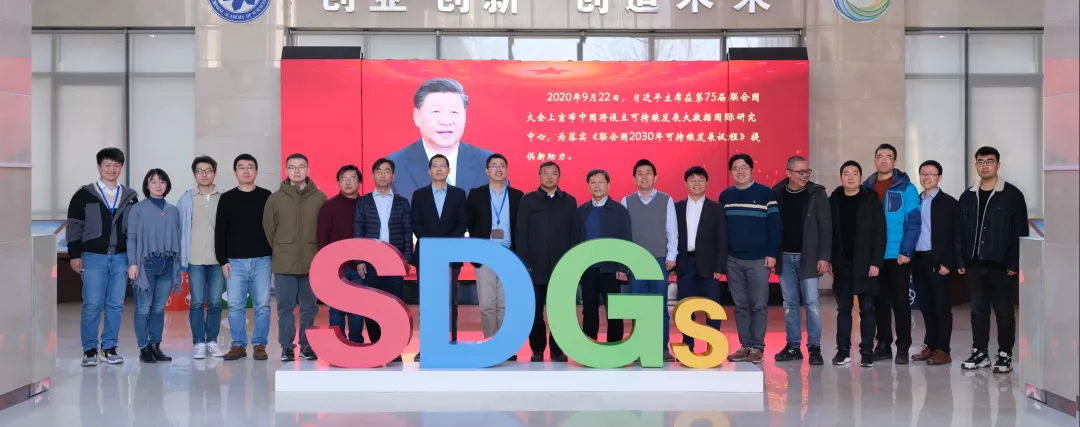
Figure 1 Group photo of offline participants of China Spatial
Data Intelligence Strategy Workshop
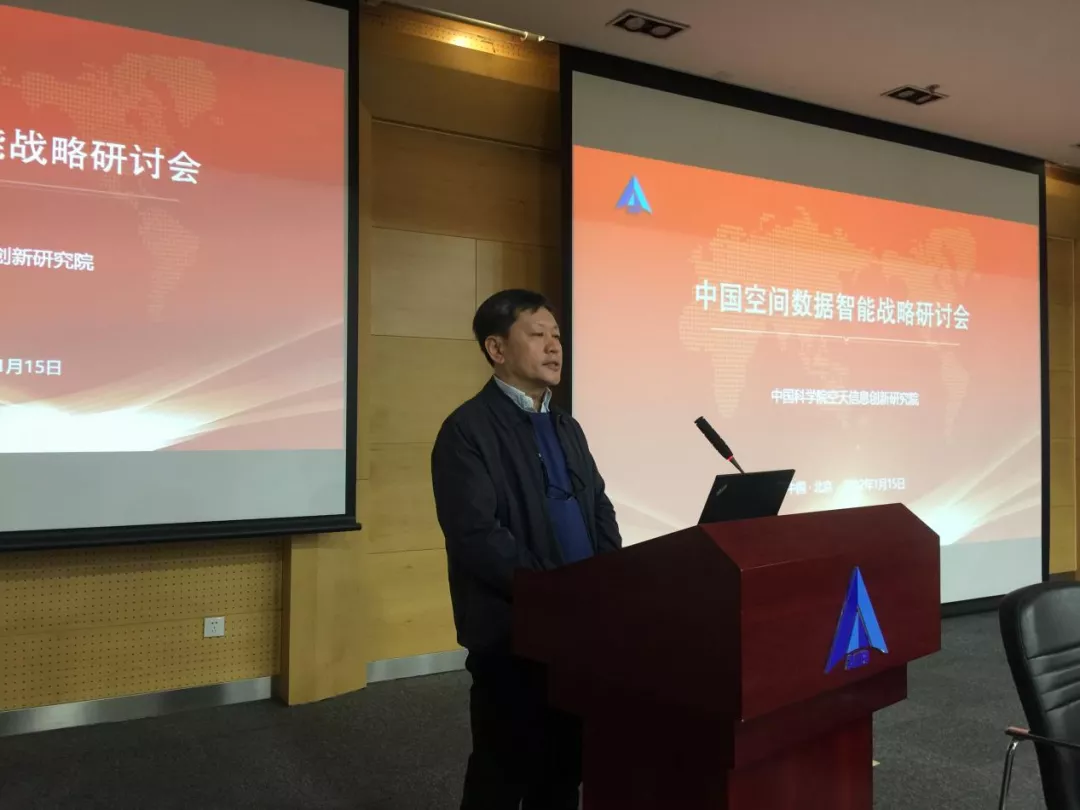
Executive Deputy Director Chen Fang of the International
Research Center for Big Data for Sustainable Development and
Professor Meng Xiaofeng, Chairman of ACM SIGSPATIAL China
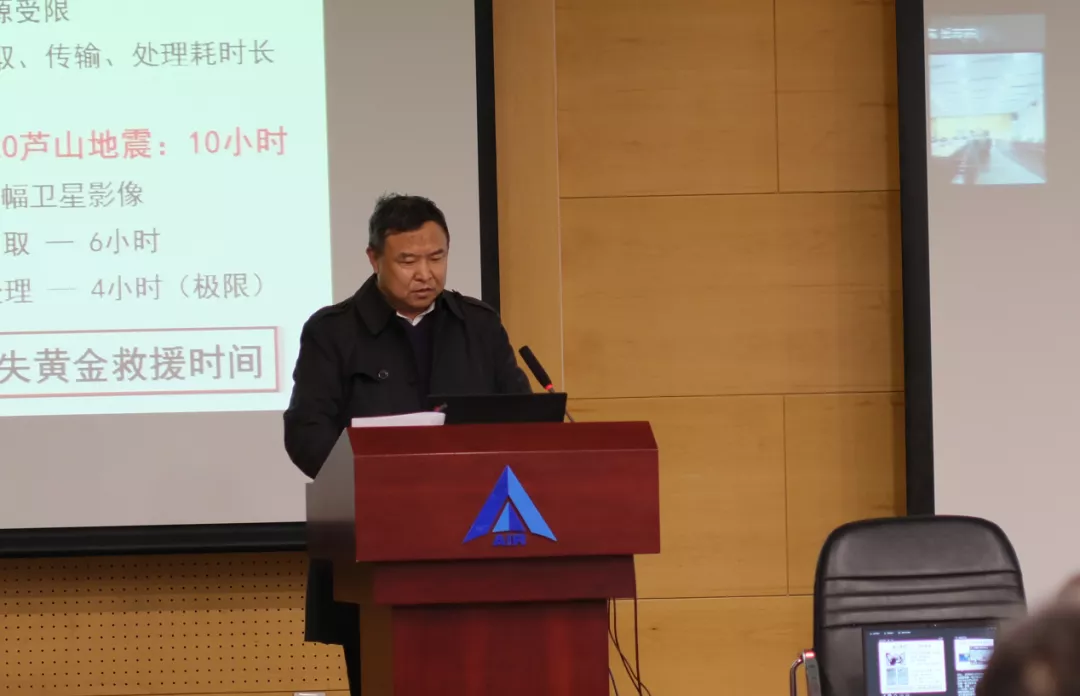
Chapter, delivered speeches at the opening ceremony. Prof. Meng
Xiaofeng, Chairman of ACM SIGSPATIAL China Chapter,
congratulated the first China Spatial Data Intelligence Strategy
Workshop for its smooth convening despite the difficulties in
the face of the epidemic, and expressed his sincere appreciation
for the support provided by the Center for Big Data for
Sustainable Development. He also expressed his heartfelt
gratitude for the support provided by the International Research
Center for Big Data for Sustainable Development (IRCSD) and put
forward two expectations for the strategy workshop: to pay close
attention to the strategic needs of the country and do our best
to achieve sustainable development; and to discuss the national
spatial data intelligence development strategy with the needs as
the traction.
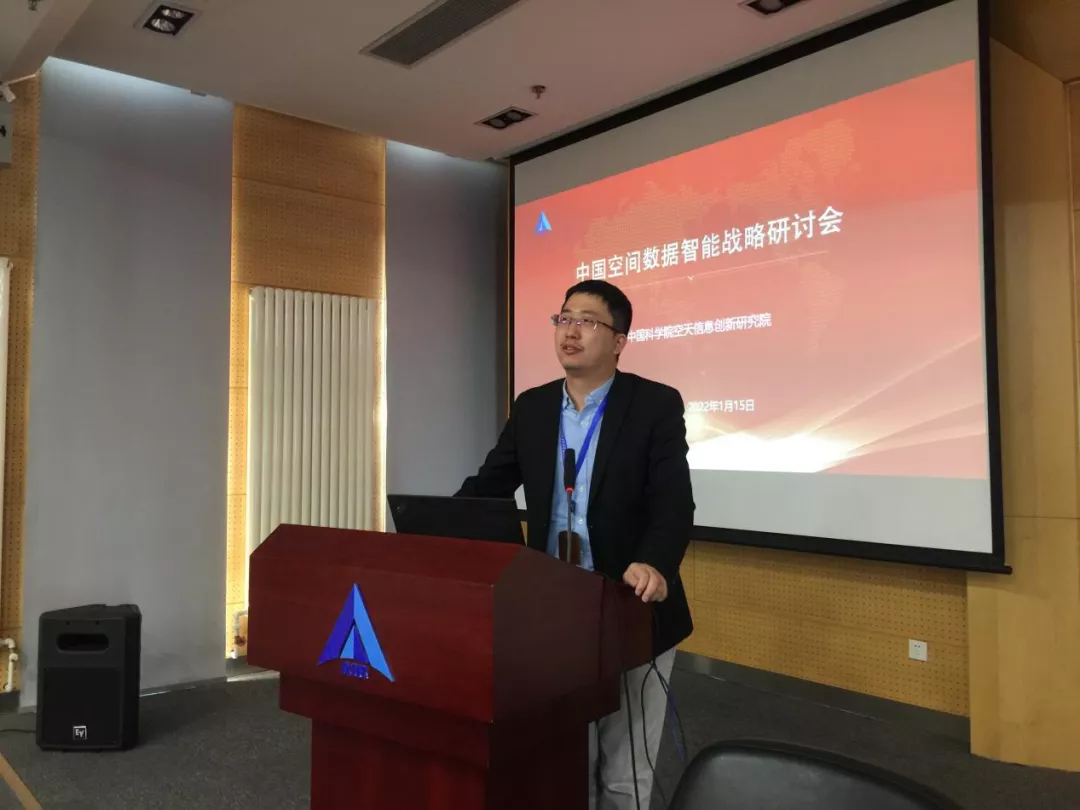
Figure 2 Speech by Mr. Chen Fang, Executive Deputy Director of
the International Research Center for Big Data for Sustainable
Development
Figure 3 Speech by Prof. Meng Xiaofeng, Chairman of ACM
SIGSPATIAL China Chapter
The conference invited Zhang Zhaotian, former Executive Vice
Director of the Department of Informatics of the National
Natural Science Foundation of China (NSFC), to give a keynote
speech entitled "Science Foundation Reform and Priority
Development Planning in the Information Field". Mr. Zhang
introduced the situation from three aspects: NSFC's reform to
promote clear funding orientation, responsible and credible peer
review, and optimization of disciplinary layout; encouraging
exploration of originality, formation of cross-cutting science
departments, and promotion of disciplinary cross-fertilization;
and the progress of research on spatial information networks.
Professor Meng Xiaofeng hosted the presentation.
Figure 4 Keynote presentation by Researcher Zhang Zhaotian,
former Executive Deputy Director of the Department of
Informatics, National Natural Science Foundation of China
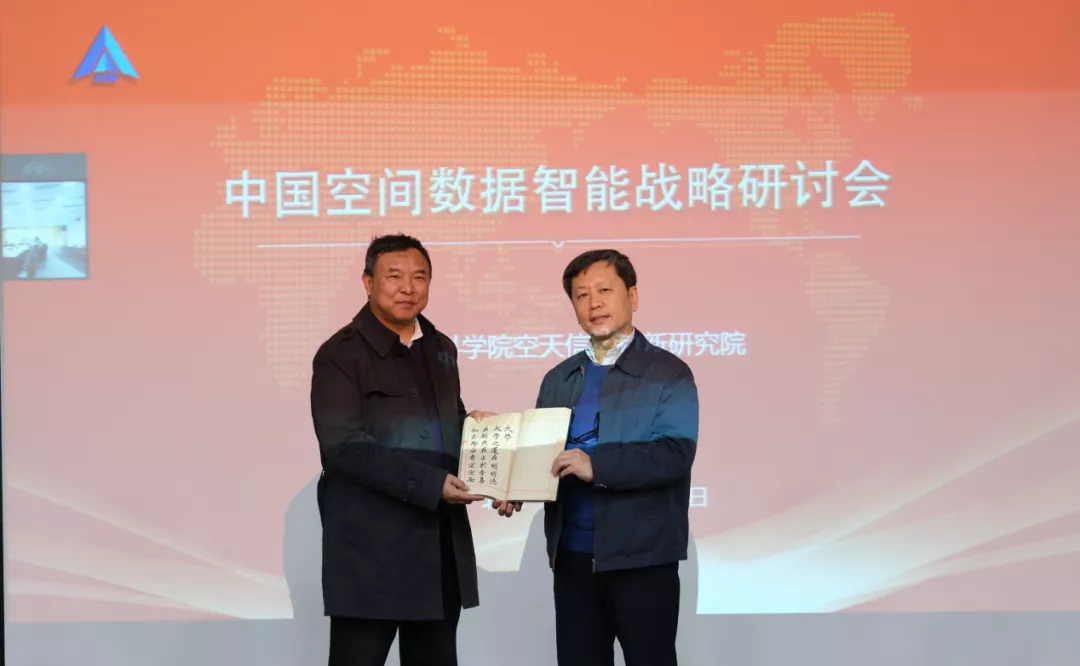
Fig. 5 Professor Meng Xiaofeng presents a hand-copied copy of
"The Theory of Health" and "The University" to Researcher Zhang
Zhaotian
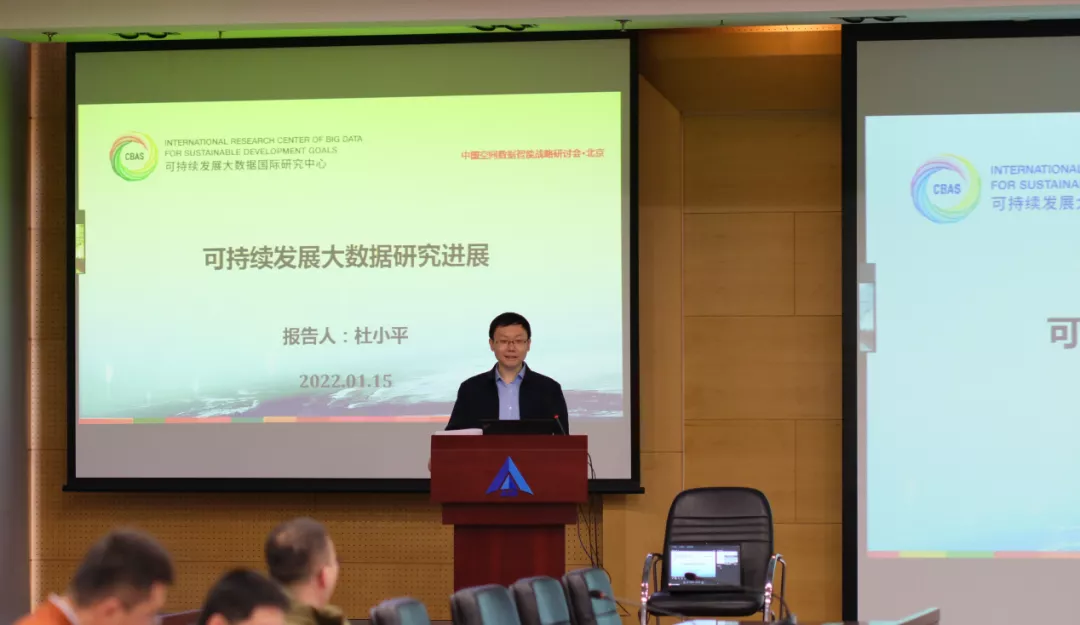
The conference invited three executive committee members to make
special reports: Du Xiaoping, associate researcher of the
International Research Center for Big Data for Sustainable
Development, made a report entitled "Research Progress of Big
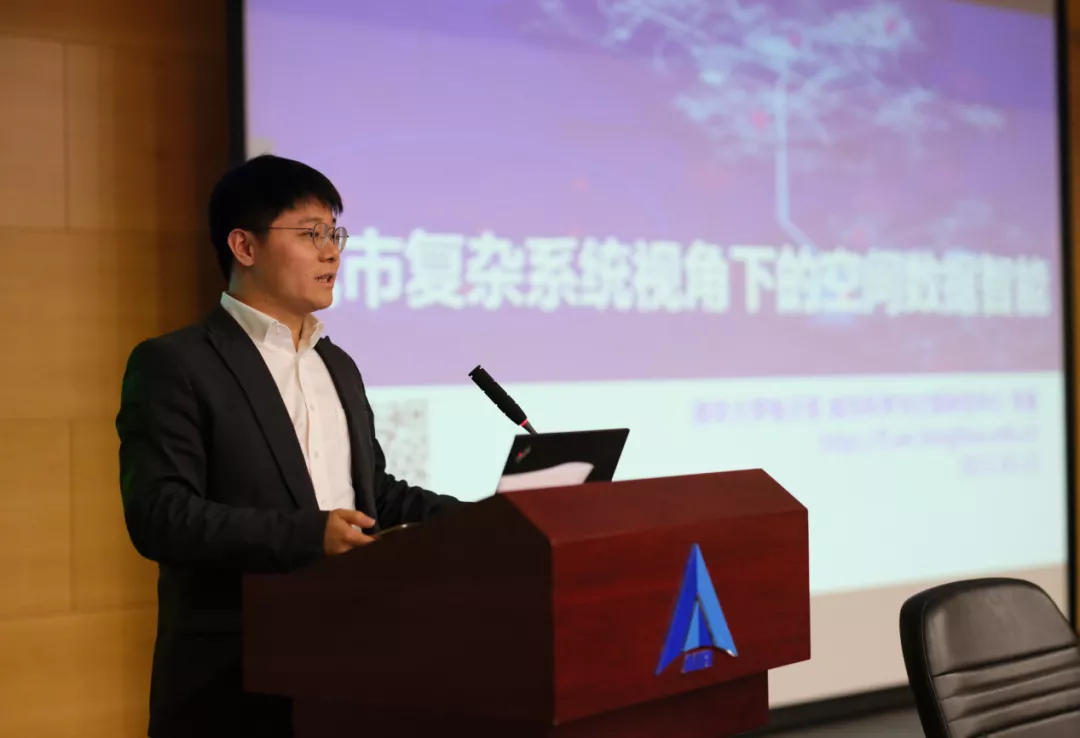
Data for Sustainable Development"; Associate Professor Li Yong,
Changjiang Scholar of Tsinghua University, gave a report
entitled "Spatial Data Intelligence from the Perspective of
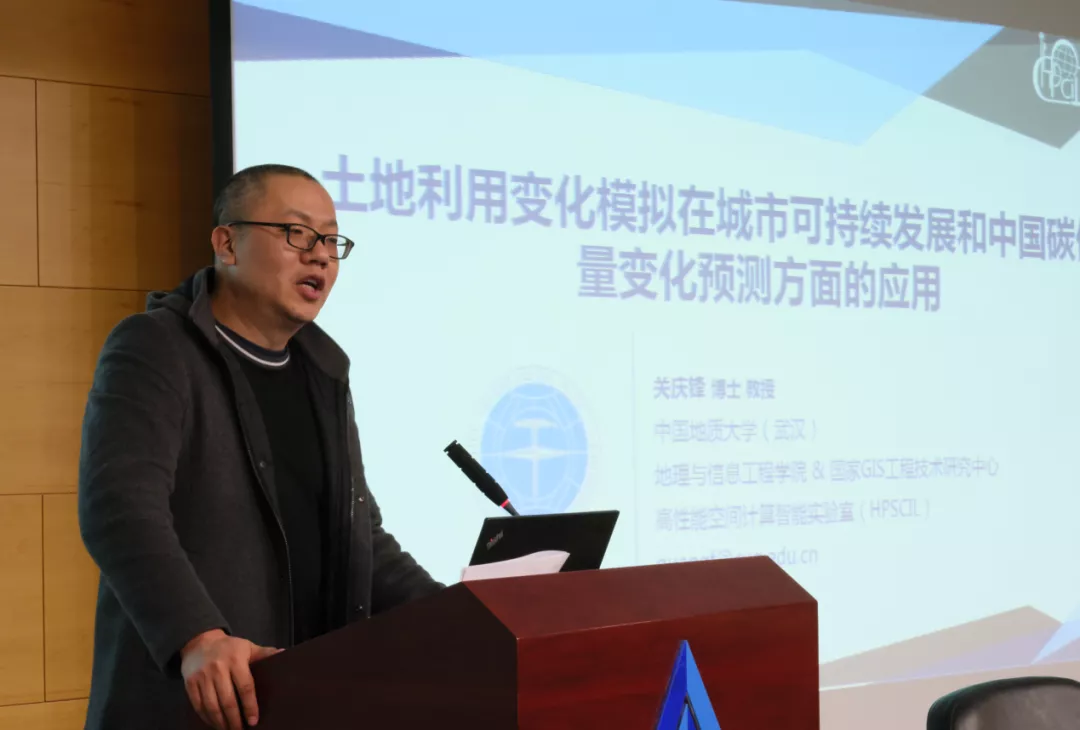
Urban Complex Systems". Professor Guan Qingfeng, Deputy Dean of
the School of Geography and Information Engineering, China
University of Geosciences (Wuhan), gave a report entitled "From
Land use Change Simulation to Land use carbon Spatial Pattern
Inference". The session was moderated by Professor Liu Yu of
Peking University.
Figure 6 Presentation by Xiaoping Du, Associate Researcher,
International Research Center for Big Data for Sustainable
Development
Figure 7 Presentation by Associate Professor Li Yong, a
Changjiang Scholar of Tsinghua University
Figure 8 Presentation by Professor Guan Qingfeng of China
University of Geosciences (Wuhan)
Figure 9 The scene of discussion of the special report
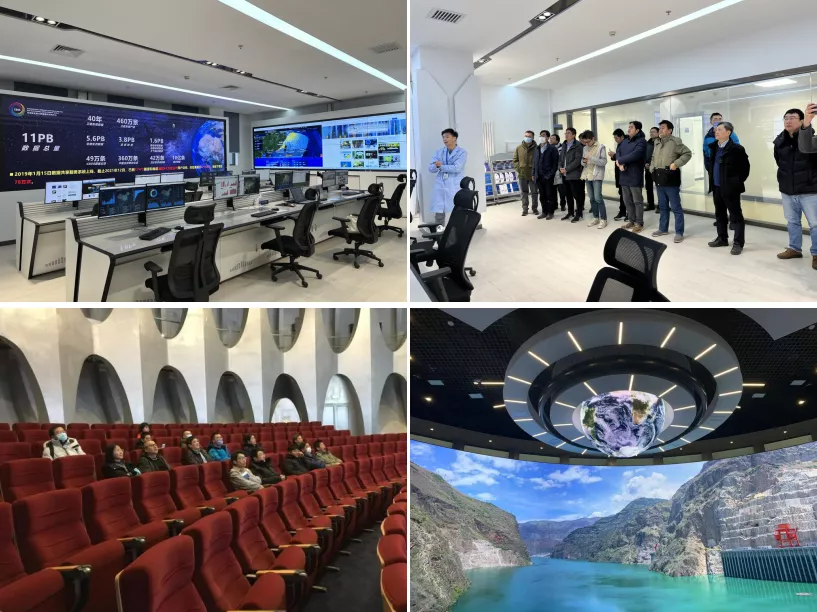
The conference arranged for participants to have a tour in the
Center, including the Big Data Sharing Area for Sustainable
Development, the interdisciplinary research platform of Big Data
for Sustainable Development, and the Digital Earth Demonstration
Hall, to further understand the exciting research results
achieved by the Center.
Figure 10 Participants visit the International Research Center
for Big Data for Sustainable Development
The conference arranged a seminar on writing the national
spatial data intelligence strategy report. Researcher Song Xuan
from Southern University of Science and Technology (SUST)
introduced the research situation from the concept of spatial
data intelligence, challenges and key technologies, and future
development directions. Prof. Tang Ke, Prof. Meng Xiaofeng,
Prof. Liu Yu and Dr. Xie Xing from Southern University of
Science and Technology gave relevant suggestions. After that,
the meeting discussed the preparation of the 3rd China Academic
Conference on Spatial Data Intelligence (Spatial DI2022). On
behalf of the organizer, Prof. Qingfeng Guan reported on the
implementation of various parts of the conference such as
conference report, paper submission, setting of each topic,
competition questions, enterprise participation, and tutorial
report, laying a good foundation for the smooth holding in Wuhan
on April 15-16.
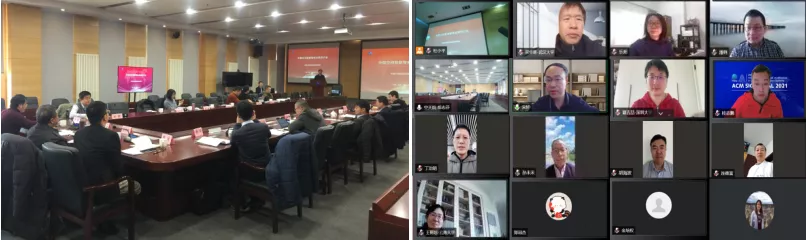
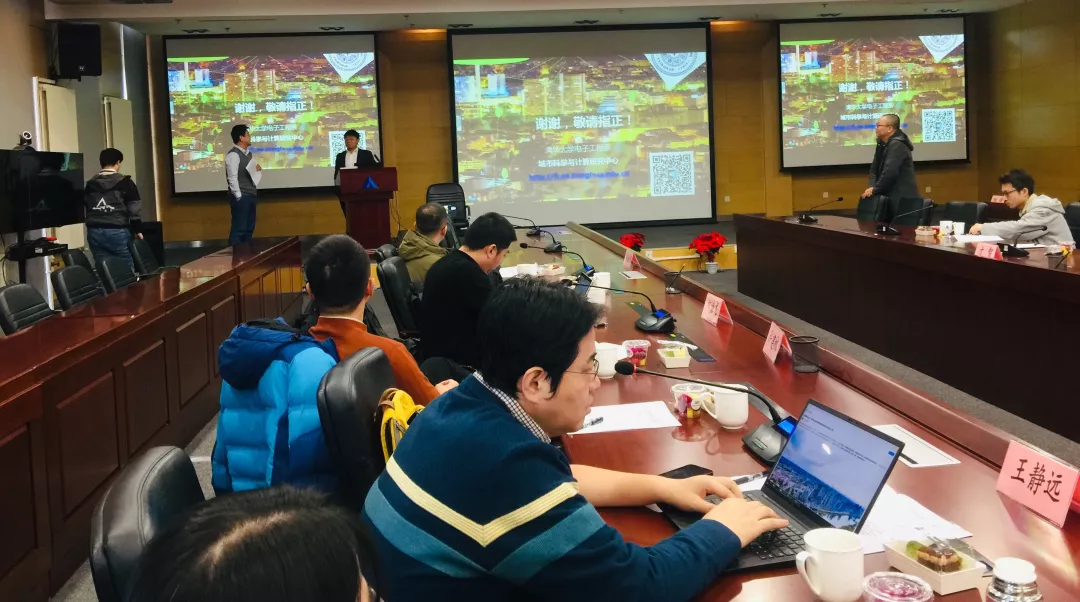
Figure 11 China Spatial Data Intelligence Strategy Workshop
offline and online venue
Finally, Chairman Xiaofeng Meng summarized the past 2021 years,
thanking the executive committee members for their strong
support and the fruitful results of the subcommittee's work, the
great success of the Spatial DI2021 conference in Hangzhou, the
first appearance at the Turing Conference in China, the impact
of the 29th ACM SIGSPATIAL2021 conference for the first time,
and the direction of the topic "Spatial Data Intelligence"
organized by Computer Research and Development. The topic of
"Spatial Data Intelligence" has shown the direction. The success
of the "China Spatial Data Intelligence Strategy Workshop" will
further promote the development of this field. We hope that
colleagues will continue to work hard to build the blueprint of
spatial data intelligence!
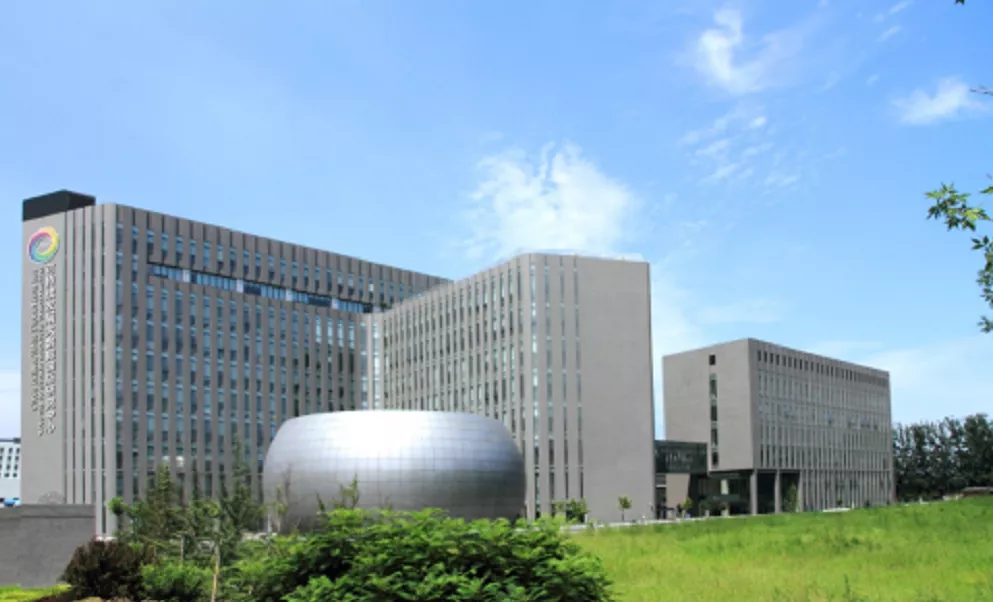
Figure 11 Exterior of the International Research Center for Big
Data for Sustainable Development
|